
/2019/04/william-1.jpg)
/2009/11/Prince-Charles.jpg)
/2020/06/Prince-George.jpg)
/2019/04/harry.jpg)
/2009/11/Queen-Elizabeth.jpg)
/2014/07/Prince-Philip.jpg)
/2009/09/Jennifer-Aniston.jpg)
/2020/04/Megan-Fox.jpg)
/2009/09/Cristiano-Ronaldo.jpg)
/2009/09/Brad-Pitt.jpg)
/2019/10/denzel-washington-1.jpg)
/2009/11/George-Clooney.jpg)
/2018/03/GettyImages-821622848.jpg)
:strip_exif()/2009/09/P-Diddy.jpg)
/2017/02/GettyImages-528215436.jpg)
/2019/04/rr.jpg)
/2020/02/Angelina-Jolie.png)
What is Prince William's net worth?
Prince William is a member of the British royal family who has a net worth of $140 million. Prior to his father becoming King, the majority of Prince William's net worth came from a trust fund inherited from his late mother. When Charles became King in September 2022, William instantly inherited a billion-dollar real estate portfolio called the Duchy of Cornwall. The Duchy of Cornwall generates around $300 million per year in personal income specifically for whoever is next in line to the throne. More details on both his inheritance and this land trust can be found in the next sections below. William and his brother Harry also each received several million dollars when their great-grandmother died in 2002. In a typical year, William's father, Charles, pays around $4 million to cover William's travel, security, and secretarial expenses.
Prince William is the oldest son of King Charles and the late Diana, Princess of Wales. Prince William is the third-oldest grandchild of the late Queen Elizabeth II and Prince Philip, Duke of Edinburgh. His younger brother is Prince Harry. Prior to his grandmother's death, he was known as Prince William, Duke of Cambridge. After his father ascended to the throne, William became the Prince of Wales.
Prince William Arthur Philip Louis was born on June 21, 1981. He was the first child born to a Prince and Princess of Wales since Prince John in 1905. William was affectionately called Wombat by his parents. He went to college at the University of St. Andrews in Scotland, where he met his future wife, Kate Middleton. In December 2006, he finished 44 weeks of training as an officer cadet and was commissioned into the Blues and Royals regiment. In April 2008, he completed pilot training and then took helicopter pilot training. In early 2009, he became a full-time pilot with the RAF Search and Rescue Force. He served in the British Armed Forces until September 2013.
William spent much of his first four decades of life as the second in line to the throne. Upon his grandmother Queen Elizabeth's death in September 2022, Prince William became first in the line of succession, behind his father. He is technically in line to the thrones of sixteen independent sovereign states known as the Commonwealth realms. Those states include the United Kingdom, Canada, Australia, New Zealand, Jamaica, Barbados, the Bahamas, Grenada, Papua New Guinea, the Solomon Islands, Tuvalu, Saint Lucia, Saint Vincent and the Grenadines, Belize, Antigua and Barbuda, and Saint Kitts and Nevis. Subsequently, he is also second in line, again behind his father, to the position of Head of the Commonwealth (figurehead of the 54-member Commonwealth of Nations) and, in England only, Supreme Governor of the Church of England.
The Diana Trust
When Diana and Charles divorced, he paid her a $24 million settlement. That's the same as around $40 million today after adjusting for inflation. After her death, the money was put in trust for William and Harry to inherit on their respective 25th birthdays. By the time they both were 30, the trust had appreciated to the point that each son ended up inheriting $20 million. That trust makes up the vast majority of Harry and William's personal net worths.
The Duchy of Cornwall Annual Income
Prince William is privately wealthy thanks to a large real estate portfolio called the Duchy of Cornwall that was established by his great-great-great-great-great-great-great-great-great-great-great-great-great-great-great-great-great-great-great-great-great-grandfather, King Edward II (that's 21 "greats" FYI). Edward III created the Duchy to provide financial independence for his son, Edward the Black Prince, ensuring that the heir apparent would have a substantial private income while awaiting the crown. According to British royal law, the eldest child of the reigning monarch inherits possession of the Duchy of Cornwall.
When King Charles III ascended the throne in September 2022, Prince William automatically became Duke of Cornwall and the sole beneficiary of the Duchy's revenues. The title of Prince of Wales, by contrast, is not automatic and was formally bestowed on him the following day. When William eventually becomes king, his eldest son, Prince George, will immediately inherit the Duchy under the same charter provisions.
Today, the Duchy of Cornwall is a vast private real estate portfolio spanning roughly 130,000 acres across 23 counties in England and Wales. It employs more than 150 people and generates revenue from a diversified mix of assets. While it includes significant agricultural holdings, the estate also encompasses residential housing developments, commercial properties, coastal and river rights, portions of Dartmoor, Dartmoor Prison, and even the Oval cricket ground in London. The Duchy's net assets are valued at more than $1.3 billion, or roughly £1 billion.
Because the U.K. government classifies the Duchy as a "crown body," the estate itself is legally exempt from corporate and capital gains taxes. That status has periodically drawn public scrutiny. In response to criticism, King Charles began voluntarily paying U.K. income tax on his personal Duchy earnings in 1993 and continued doing so throughout his tenure as heir. Prince William has maintained that practice, voluntarily paying income tax at the standard rate on the income he receives. However, he has recently opted not to publicly disclose the exact amount of his tax payments, marking a departure from his father's longstanding tradition of detailed financial transparency.
The Duchy generates substantial annual revenue, which funds the official, charitable, and private expenses of the Prince and Princess of Wales and their household. According to the Duchy's integrated annual reports, William received approximately $30.4 million (£23.6 million) in income during the 2023–2024 financial year and an additional $30.9 million (£22.9 million) in 2024–2025. These figures reflect the Duchy's strong performance and underscore its role as the primary financial engine supporting the heir to the British throne.
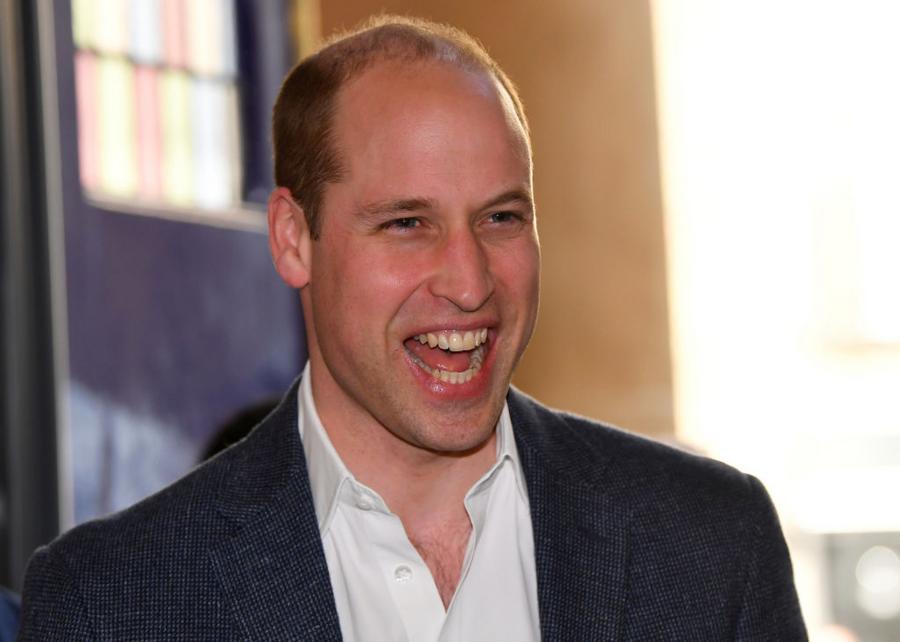
Toby Melville – WPA Pool/Getty Images
Early Life
William Arthur Philip Louis was born on June 21, 1982, at St Mary's Hospital in London. He is the first child of Charles, then Prince of Wales, and Diana, Princess of Wales. From birth, William was second in line to the throne, behind his father.
He was educated at independent schools, beginning at Wetherby School in London before attending Ludgrove School in Berkshire. He later enrolled at Eton College, where he studied geography, biology, and art history. His teenage years were marked by intense media attention, particularly surrounding his parents' separation and subsequent divorce in 1996.
In 1997, at the age of 15, William experienced the death of his mother, Diana, in a car accident in Paris. The global outpouring of grief and the public nature of the tragedy shaped his early adulthood and influenced his later focus on mental health advocacy.
After completing a gap year that included travel and charitable work in Chile and Africa, William enrolled at the University of St Andrews in Scotland. He initially studied art history before switching to geography, graduating in 2005 with a degree. It was at St Andrews that he met Catherine Middleton, who would later become his wife.
Military Service
Following university, William pursued a military career in line with royal tradition. He trained at the Royal Military Academy Sandhurst and was commissioned as an officer in the Blues and Royals regiment in 2006. Over the following years, he undertook operational training and later qualified as a helicopter pilot.
In 2010, he transferred to the Royal Air Force and trained as a search and rescue pilot. Stationed in Anglesey, Wales, he participated in numerous rescue missions, working alongside civilian crews. His service was widely viewed as a meaningful attempt to maintain a career beyond ceremonial duties.
After concluding active military service, William served as an air ambulance pilot with the East Anglian Air Ambulance from 2015 to 2017. The role exposed him to traumatic emergency situations and later informed his public discussions about mental health.
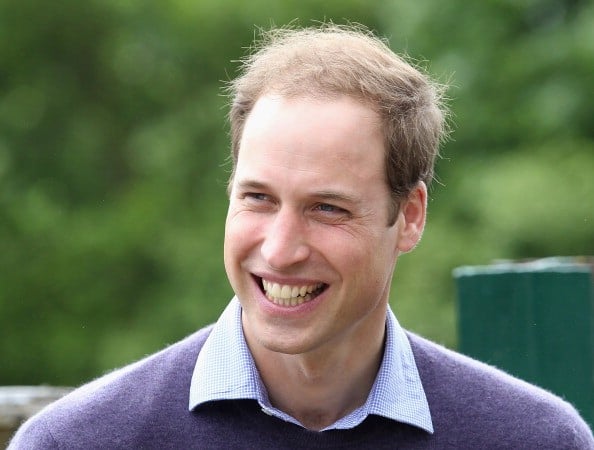
Chris Jackson/Getty Images
Royal Duties and Public Work
William's official duties include representing the sovereign at state events, undertaking international tours, and supporting charitable organizations. Over time, he has focused his public efforts on several key areas.
Mental health has been a central pillar of his work. Alongside Catherine and Prince Harry, he co-founded the Heads Together campaign, which aimed to reduce stigma surrounding mental illness and encourage open conversation. William has spoken candidly about the emotional toll of his air ambulance work and the lingering effects of childhood trauma.
Environmental advocacy is another major focus. In 2020, he launched the Earthshot Prize, a global initiative designed to incentivize innovative solutions to climate change and environmental challenges. The prize awards funding to projects addressing issues such as ocean restoration, clean air, and sustainable living.
William has also maintained an interest in homelessness, a cause closely associated with his mother. He has worked with organizations supporting housing initiatives and community-based assistance programs.
Role as Heir Apparent
As Prince of Wales, William occupies a constitutional role that blends ceremonial responsibility with preparation for kingship. He regularly participates in state occasions, diplomatic engagements, and Commonwealth activities.
He has emphasized a streamlined approach to monarchy, supporting efforts to modernize certain practices while preserving core traditions. His public persona has generally been measured and cautious, reflecting the balancing act between personal authenticity and institutional stability.
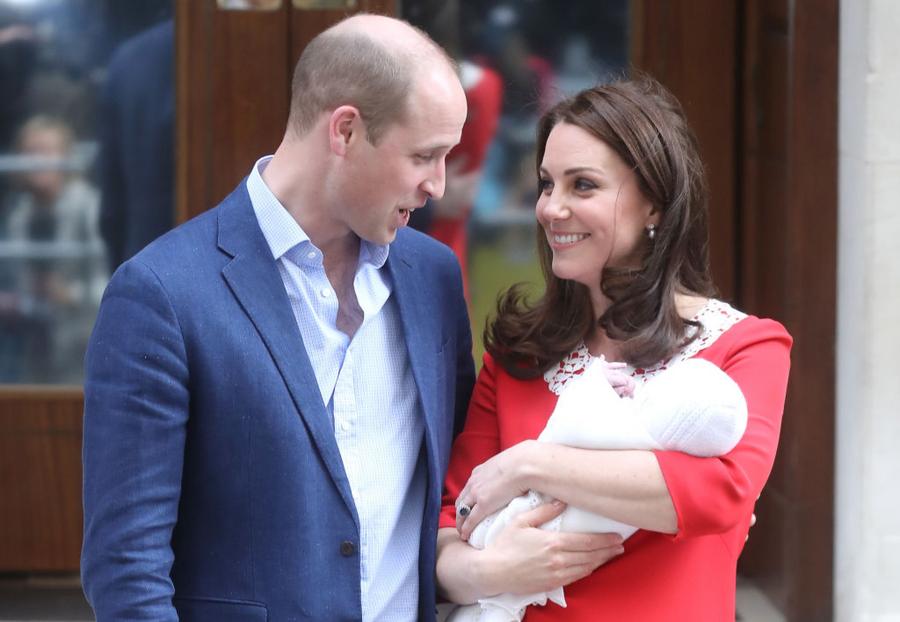
Chris Jackson/Getty Images
Marriage and Family
William married Catherine Middleton on April 29, 2011, in a globally televised ceremony at Westminster Abbey. Upon marriage, they became the Duke and Duchess of Cambridge. The wedding drew millions of viewers worldwide and was seen as a defining moment for the modern monarchy.
The couple have three children: Prince George, Princess Charlotte, and Prince Louis. As the children of the heir to the throne, they occupy prominent positions in the line of succession.
Following the accession of King Charles III in September 2022, William and Catherine were granted the titles Prince and Princess of Wales. The change further formalized William's role as the next monarch and expanded his responsibilities within the royal institution.
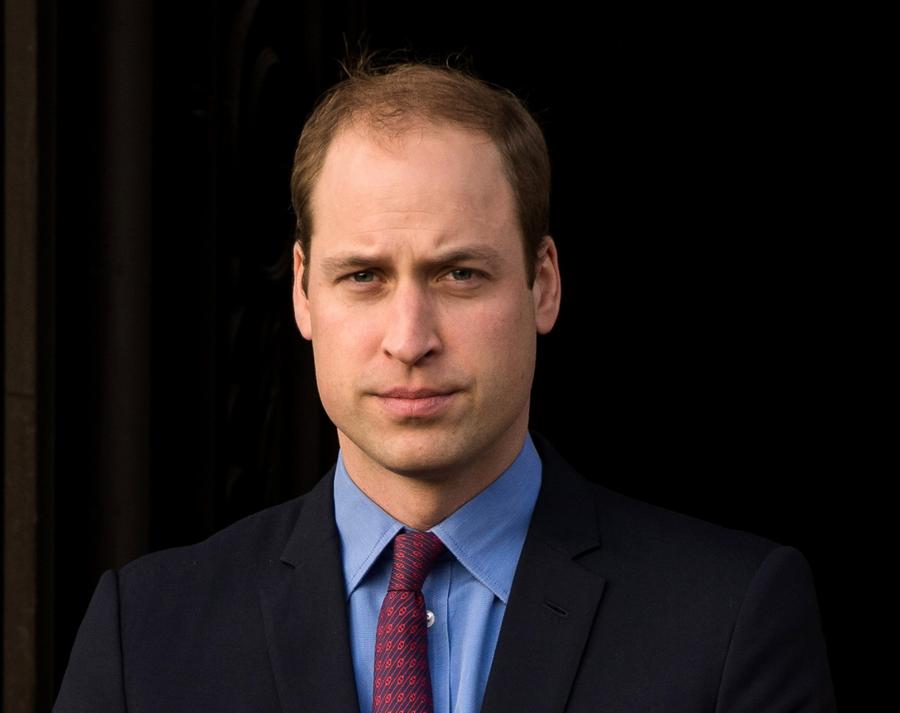
(Photo by Richard Stonehouse/Getty Images)
Public Perception and Media Attention
Throughout his life, William has navigated intense media scrutiny. His childhood and adolescence were shaped by tabloid coverage, and he has often expressed concern about press intrusion.
As an adult, he has sought to protect his family's privacy while accepting the inevitability of public interest. His marriage and parenting style have been closely followed, often contrasted with earlier generations of the royal family.
Public opinion toward William has generally been stable, with many viewing him as a steady and pragmatic future monarch. His approach tends to emphasize continuity rather than dramatic reform.
Legacy and Future
Prince William stands at the intersection of tradition and transition. As the elder son of King Charles III and grandson of Queen Elizabeth II, he carries the weight of historical continuity. At the same time, his initiatives in mental health and environmental advocacy reflect contemporary priorities.
His future reign, whenever it comes, will likely focus on preserving the monarchy's constitutional role while reinforcing its relevance in a rapidly changing society. Through a combination of military service, charitable leadership, and measured public engagement, William has positioned himself as a modern heir shaped by both privilege and profound personal experience.
As Prince of Wales, he represents the next chapter of the British monarchy, tasked with maintaining an institution that has endured for centuries while adapting it for the generations to come.
/2019/04/william-1.jpg)
/2014/07/Prince-Philip.jpg)
/2024/07/GettyImages-1243027787.jpg)
/2026/02/prince-andrew-finances.jpg)
/2016/02/charles.jpg)
/2016/04/GettyImages-52457876.jpg)
/2021/05/Prince-Alwaleed-Bin-Talal-Alsaud.jpg)
/2016/04/GettyImages-73203544.jpg)
/2020/06/taylor.png)
/2019/11/GettyImages-1094653148.jpg)